Winter, with its combination of cold air, strong winds, and dry indoor heating, doesn’t spare our skin. It’s often only when it starts to feel tight, flaky, and dull that we realize how much extra care it needs. While many people change their wardrobes as soon as the weather gets colder, few people change their skincare products — and that’s exactly what dermatologists say is key to keeping your skin healthy.
Brand Mix, recognized for its gentle formulations for sensitive skin, has been reminding us for years that care must be adapted to the season. As for body care products, Mixa has a whole range of products for dry skin care in the winter. Their Urea Cica Repair line It has become synonymous with smooth, hydrated and resilient skin during the winter months.
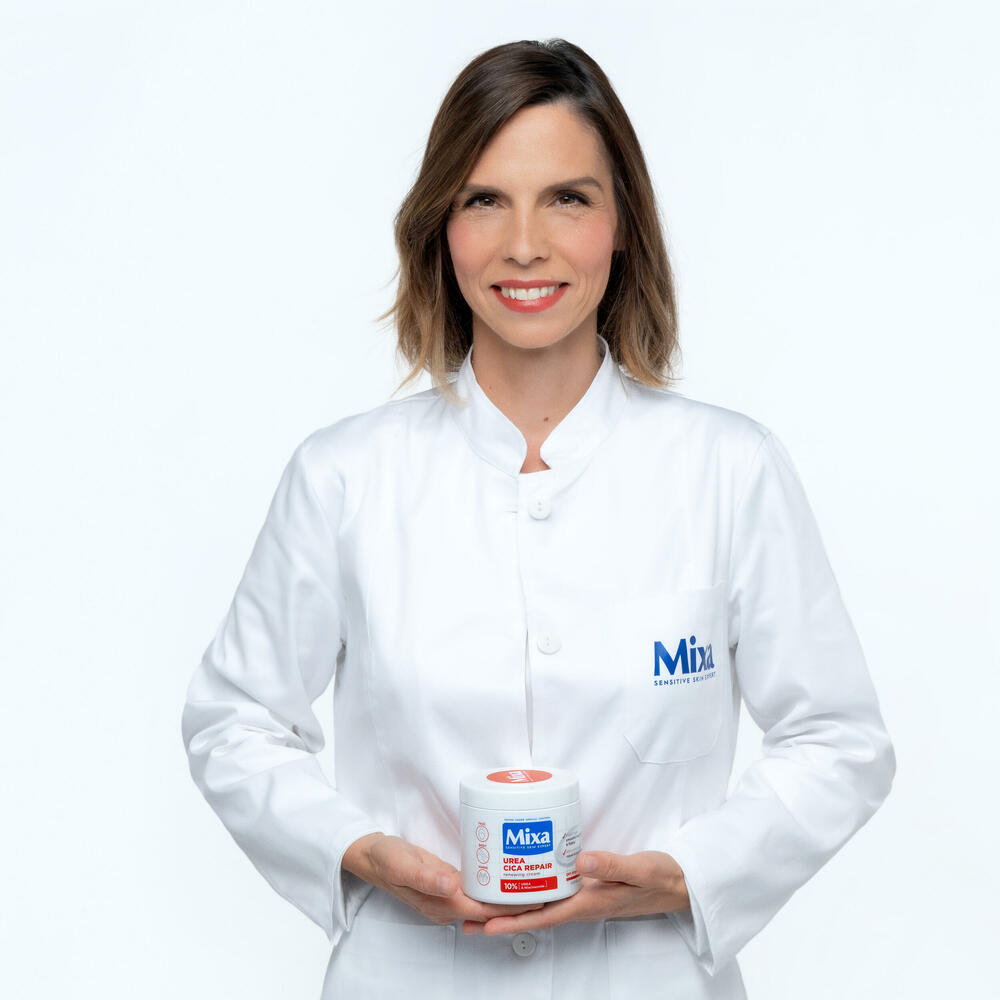
We talk to Dr. Milica Marković, a dermatologist who has been researching the needs of sensitive skin for years and collaborating with the Mixa brand, about why skin needs special attention in the colder months and how to properly build a routine.
Q: Winter is a time when most of us notice changes in our skin. What actually happens to the skin when the temperature drops and what are the most common skin problems that you, as a dermatologist, see during the winter season?
Dr. Marković: Cold and dry air lead to increased loss of moisture from the surface of the skin, and signs of dry skin appear even in those who otherwise have no problems with dryness. Contact with chemicals, which are increasingly present in the environment and in products that come into contact with the skin, also contributes to the disruption of the skin barrier and thus the loss of moisture, but also to changes that affect the skin’s immunity, so additional colonization with common bacteria on the surface of already dry skin most often perpetuates the problem in a vicious circle.
Q: How do you describe the sensitive condition and what are the symptoms of dry skin? We believe that these causes would not occur, are there any preventive measures?
Dr. Marković: There are few people who have not experienced dryness, roughness of the skin, irritation on the backs of the hands, lower legs and occasional itching of the skin during the winter months. The symptoms and manifestations of dry skin are intensified and frequent in people with an atopic constitution. Special attention during the cold months should be directed to additional skin hydration – on the one hand by “closing” the skin with oilier products or “moisturizing” the skin with regenerative ingredients such as urea.
Q: What are the key steps of an ideal winter skincare routine — from cleansing to moisturizing? Do the recommended products and approach differ depending on skin type (oily, dry, combination, sensitive)?
Dr Marković: It is known that water as an external factor is a very significant factor in drying out the skin, whether it is immersion in water or just rinsing with water; additionally, warm water, thanks to increased circulation and increased removal of natural skin fat, leads to even more intense drying of the skin. Neutralizing this very harmful effect is possible by using shower gels with the addition of appropriate oils and moisturizing substances. Adding an emollient cream immediately after bathing in the first few minutes is a significant step in care for all skin types.
Q: In late fall, light creams with a creamy texture should be replaced with richer, more oily formulas that prevent moisture loss from the skin. Urea, amino acids and shea butter are often called the “winter heroes” of skin care. What other ingredients would you add to this list and what makes them so effective? What are the effects of regularly using creams containing these ingredients – such as Urea, amino acids and shea butter, but also those present in Mixa multi-purpose restorative creams containing panthenol, omega 6 and 9 fatty acids. glycerin, squalane, as well as ceramides.
Dr Marković: When it comes to healthy skin, even combination and oily skin, the use of Mixa Cica Urea Repair cream is recommended for care and in this sense it represents the most universal skin care product. When it comes to extremely dry skin, which is the case for example in about 2/3 of people over 65, the optimal additional use of products with ceramides, the production of which is otherwise compromised in these people, is optimal. Similarly, for people with constitutionally dry atopic skin, which is usually manifested in childhood, Mixa Panthenol Comfort Restorative Cream is the right choice because, in addition to soothing panthenol, it also contains omega 6 and 9 fatty acids that have an anti-inflammatory effect and strengthen the skin barrier.

Q: Mixa Cica Repair cream is often called an “indispensable ally” for dry skin, irritation and dandruff. Why is it universal for all these problems and why should it be in the home as a first aid for all the problems we have talked about? How is this cream best used?
Dr. Marković: Extreme dryness of certain parts of the skin, such as the backs of the hands, elbows, and knees, is a common problem in the winter months, even in completely healthy people. The water-binding and hydration capacity of the epidermis itself, as well as the genetic regulation of skin cell renewal (keratinocytes), can be increased by using urea. Due to its effect on hydration and renewal of the stratum corneum, urea is recommended as the first line of care for atopic skin, and due to its keratolytic effect, it is particularly suitable for keratosis pilaris, i.e., goose bumps, as one of the most common atopic manifestations. However, the occlusive effect of “closing” the skin and retaining its own moisture must be provided by additional ingredients, the most prominent of which is shea butter. Its additional emollient effect on softening the skin is an additional bonus to the overall hydration of dry, rough skin.
Q: What are the rules for facial and body skin care that should be followed? How often should moisturizing products be applied in winter conditions, especially for sensitive skin?
Dr. Marković: Sensitive skin especially suffers in winter conditions, and research has shown that in our climate, more than 90% of women have some manifestation of sensitive skin. Therefore, it is necessary to increase the skin’s hydration capacity by applying serums with hyaluronic and lactic acid, before applying a moisturizing cream; such a routine should be carried out in the morning and evening, and if possible, in the afternoon (after returning from school, work). Also, layering moisturizing creams, for example, creams with urea and then panthenol-enriched creams after about 10 minutes, is a suitable choice for extremely dry and rough skin before going out into the cold air.
Q: Many people neglect body care because they think that their skin is protected from adverse weather conditions by clothing, while some think that their skin needs to “breathe” during the winter. What are the most common myths you have encountered so far?
Body care is most often identified with the “fight” against stretch marks, hair or cellulite, so it is often forgotten that, as with facial skin – regular care is actually the most important factor in preventing the appearance of all these irregularities. The only factor that, apart from the cold, makes the skin even more sensitive is tight clothing made of artificial synthetic fibers. Therefore, “opening” the skin with urea and then “closing” it with ceramides or panthenol in the second layer of application (after 15 minutes) is the best way for the skin to recover immediately, and this layering of the application of multi-purpose creams has the role of a luxurious “treatment” and not just ordinary care. The most interesting misconception related to body skin care is that frequent bathing thins the skin and that the use of peeling and keratolytics can make it thinner, when in fact it is exactly the opposite, for the skin, removing superficial layers is a stimulus for the creation of new ones and for skin regeneration.
Q: Besides a proper beauty routine, what lifestyle habits can help maintain healthy skin during the winter? How can diet, fluid intake, and fabric choice affect skin condition?
Dr. Marković: The key nutrients we include during the winter are omega 3 and 6 fatty acids, vitamins D, C and E, as well as zinc, and healthy fats are very important in maintaining a vital skin barrier and therefore preserving skin hydration. Water intake is essential for general vitality, including for the skin, although skin contact with water should be avoided except when applying hygiene measures. Monitoring the circadian rhythm, i.e. rest and sleep at the right time for the secretion of physiological hormones, is important for both the integrity and immunity of the skin as the largest organ.
If the body is properly warmed up, excessive contact with water is avoided, aggressive skin cleansers (baths) are not used, and adequate creams with urea, panthenol, ceramides are applied, and of course with proper nutrition, healthy skin will certainly be ready and hydrated to welcome spring and summer.
Q: If you had to give just one winter tip for our readers, what would it be?
Less is more – for the beginning of autumn and winter, all you need is a good body cream with urea and shea butter for good skin during the winter. Don’t complicate your care because sensitive skin is a problem of modern man.
To sum up, cold days don’t have to mean “cold” and tired skin. Proper care, expert product selection, and understanding your skin’s needs make the difference between dry and healthy skin. As Dr. Marković points out, the key is simplicity and consistency — regular cleansing, rich hydration, and carefully selected ingredients.
Winter is the perfect time to give your skin back what everyday stress and low temperatures take away from it — comfort and balance. And dermatologically tested care, such as that provided by Mixa products, is proof that even the most sensitive skin can be healthy, soft, and peaceful — regardless of the weather (or conditions).
(MIX)

News
link